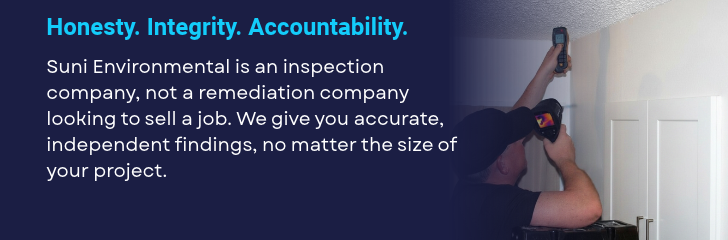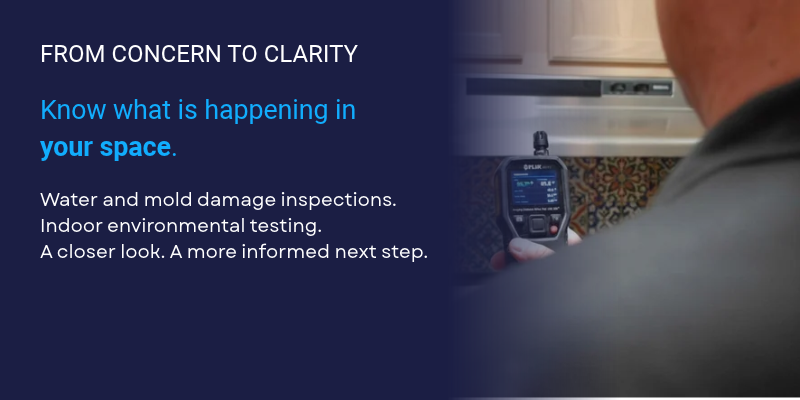
Understand the concern.
Inspect the space.
Make an informed decision.
A thoughtful inspection begins with the story of your property—what you’ve noticed, what has changed, and what you need to understand.
01 Talk through the concern
Identify the affected areas, recent water events, odors, or remediation history.
02 Evaluate & test as appropriate
Choose an inspection and testing scope that fits the questions about your space.
03 Review the findings
Use the documented findings to understand the conditions and consider next steps.
Answers start with
the right inspection.
Whether you’re investigating water damage, concerned about mold, checking a space after remediation, or are detecting chemical smells, start with the right inspection.
Click on any of the description boxes below to learn more about that inspection.
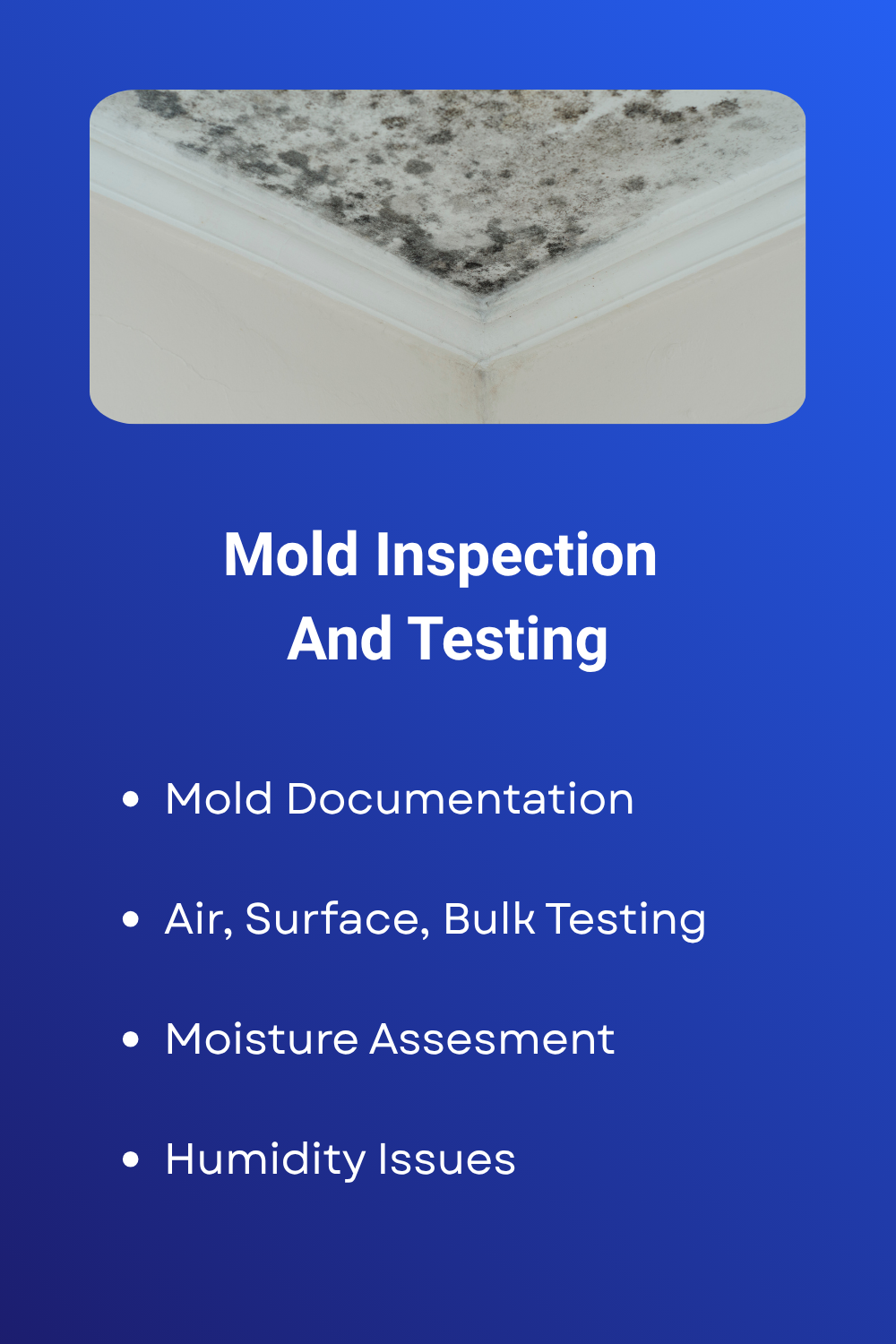
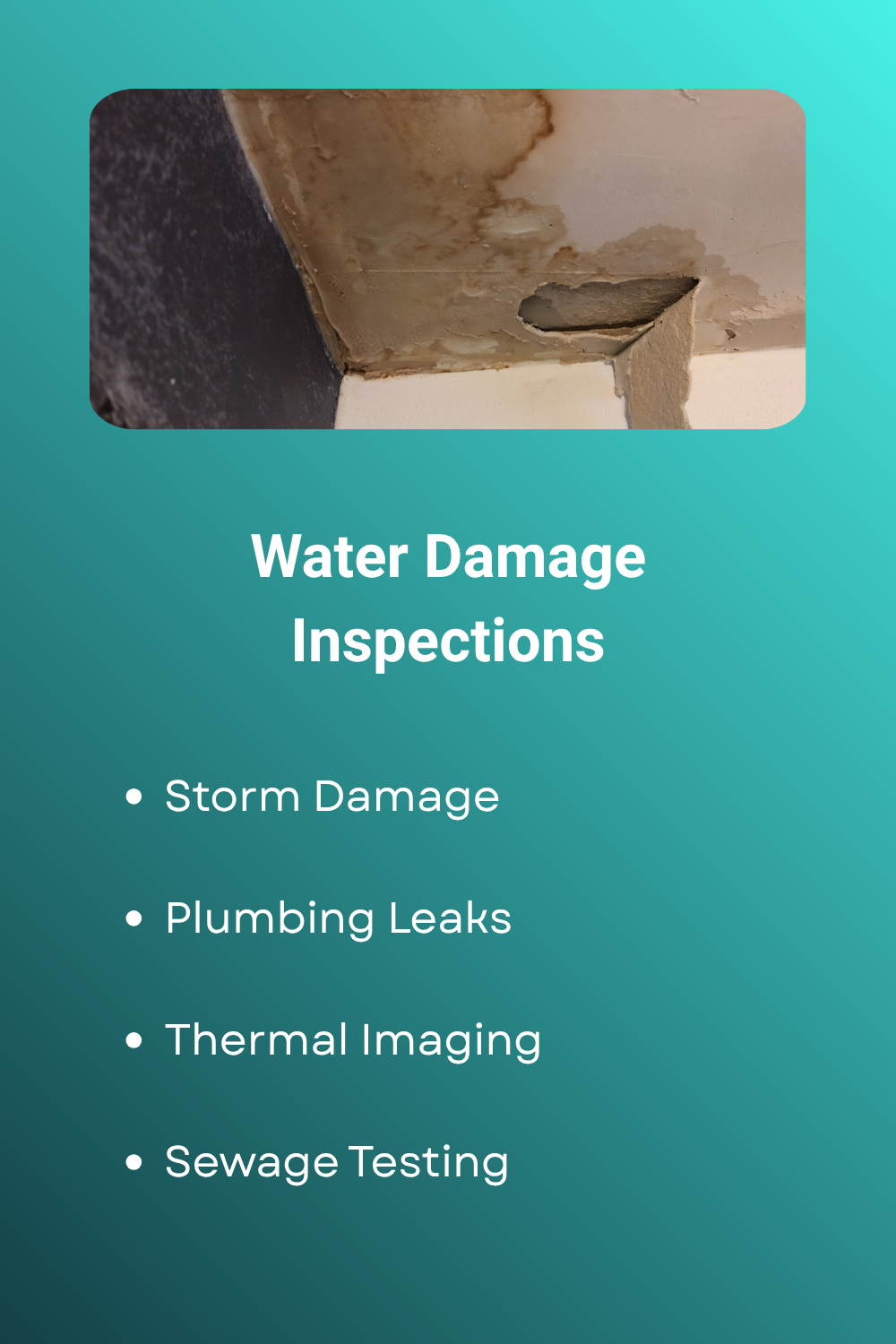
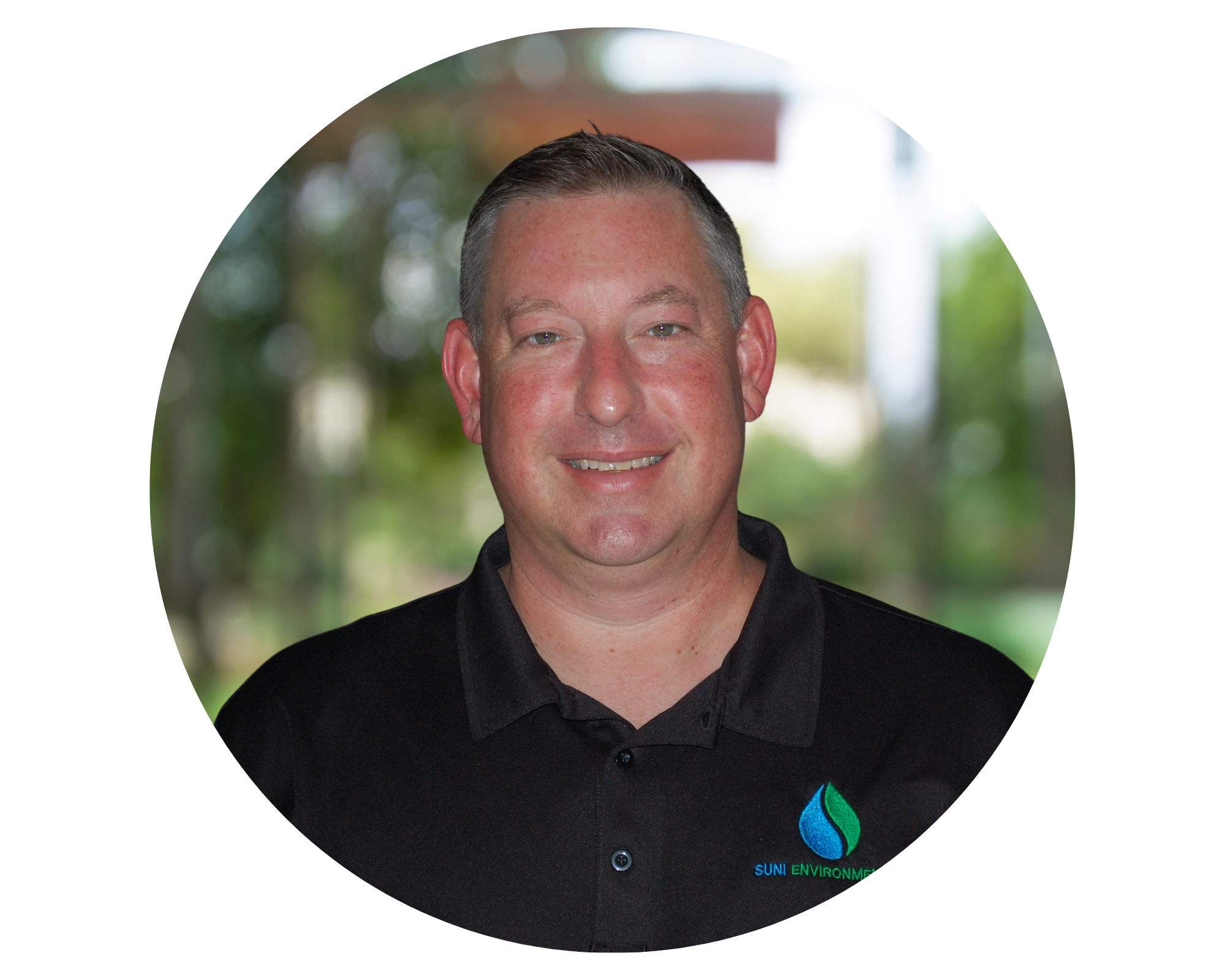
Florida licensed mold inspector with 12 years of hands-on experience inspecting homes and businesses across the state
A Central Florida resident for 45 years who knows the moisture challenges Florida's climate creates with humidity, storms, and flooding
Florida Mold Assessor MRSA 2596
IICRC Water Restoration Technology
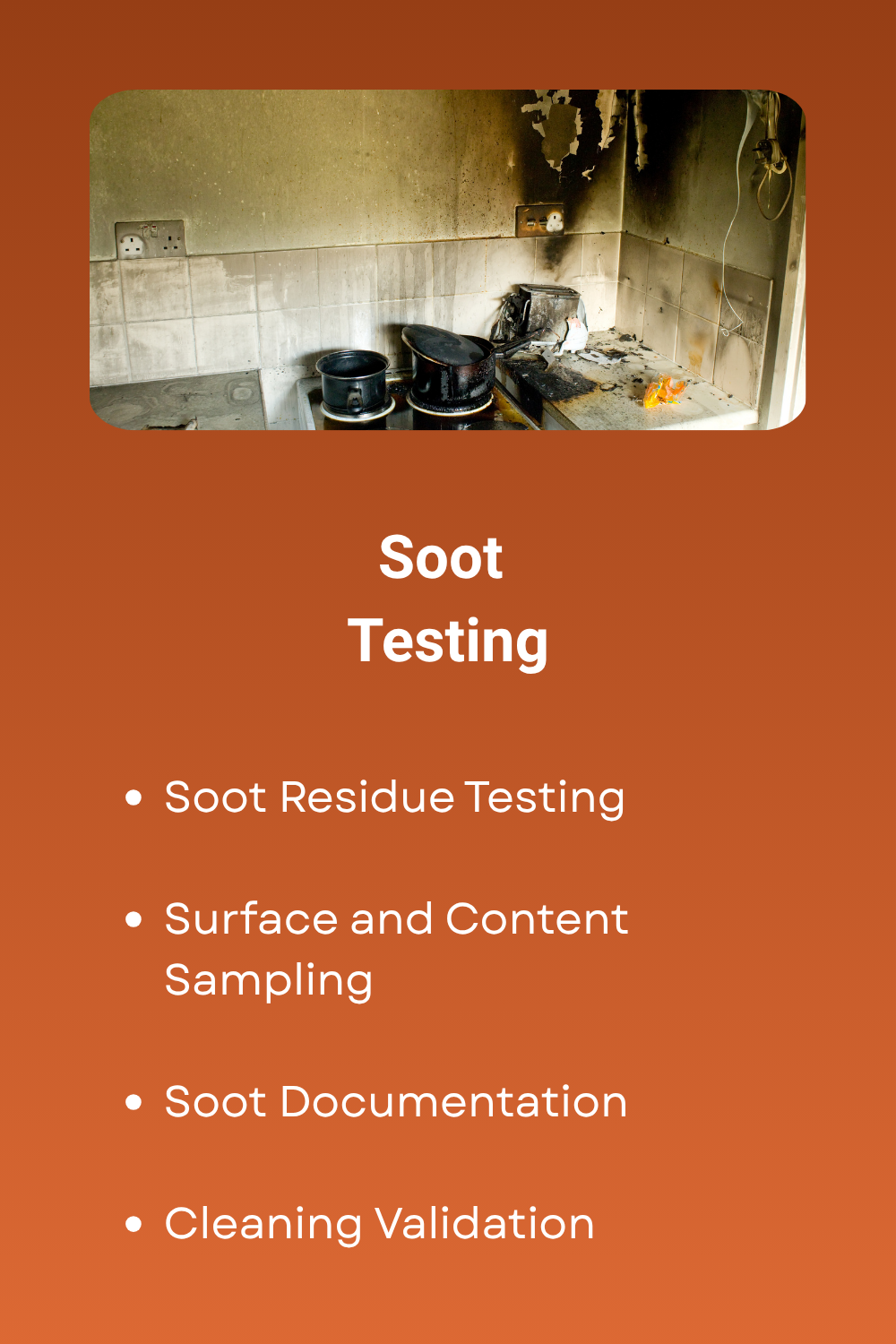
IICRC Fire and Smoke Restoration Technology
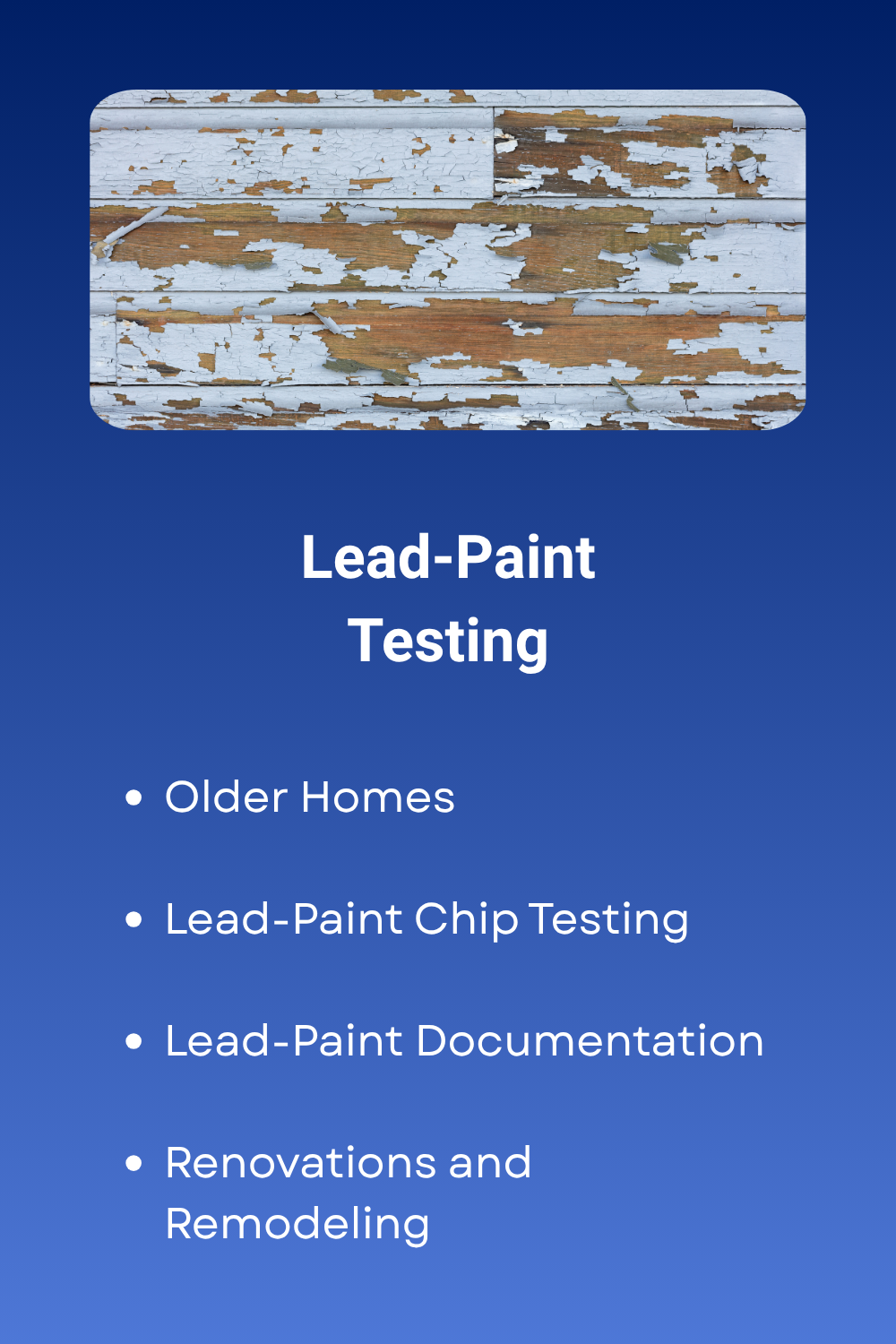
EPA Lead Paint Inspector
AHERA Asbestos Facility Inspector
Built on Expertise
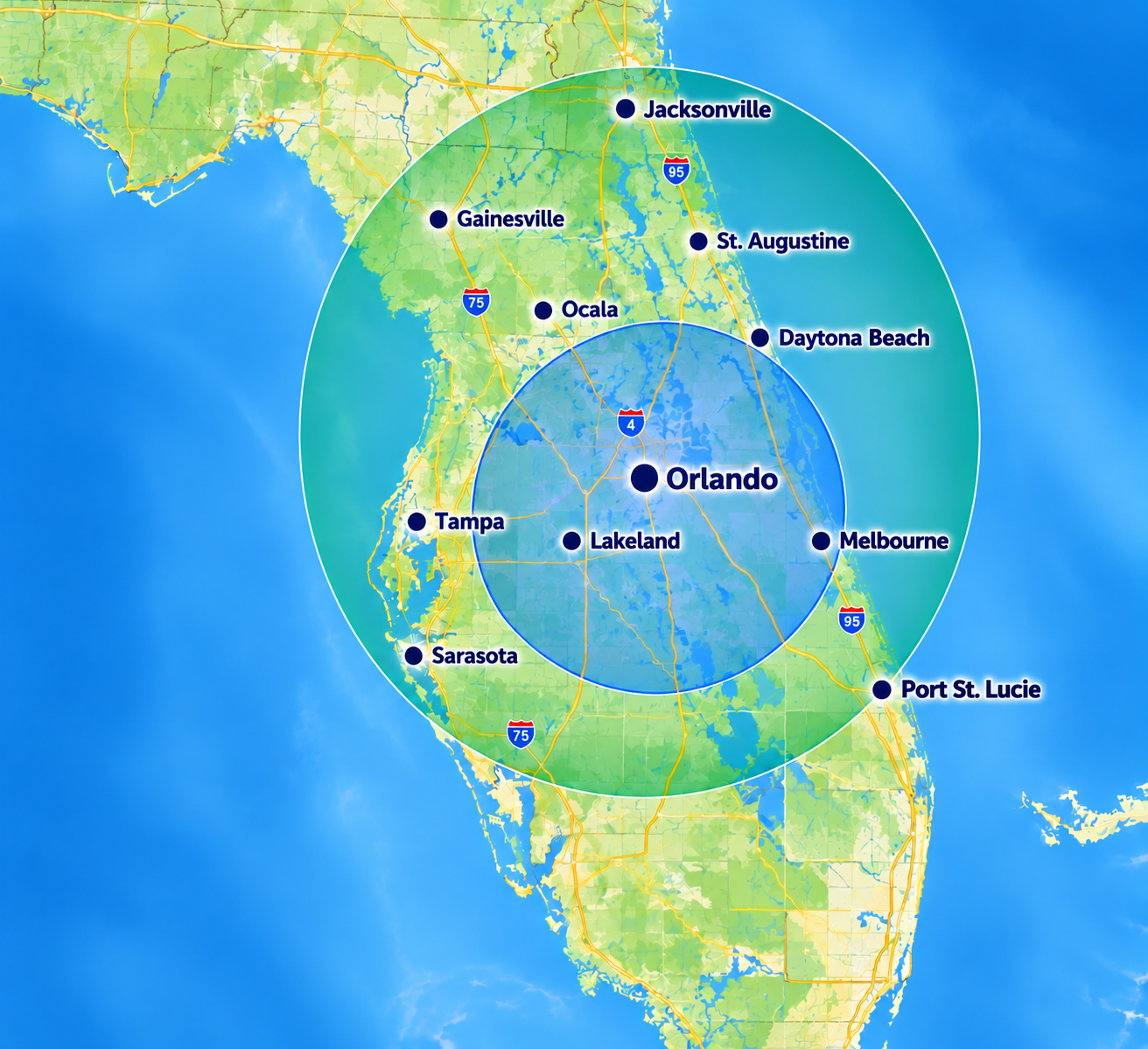
Our Service Areas
We proudly serve all of Central Florida and are available for large projects anywhere in the state!
A little clarity
before you begin.
-
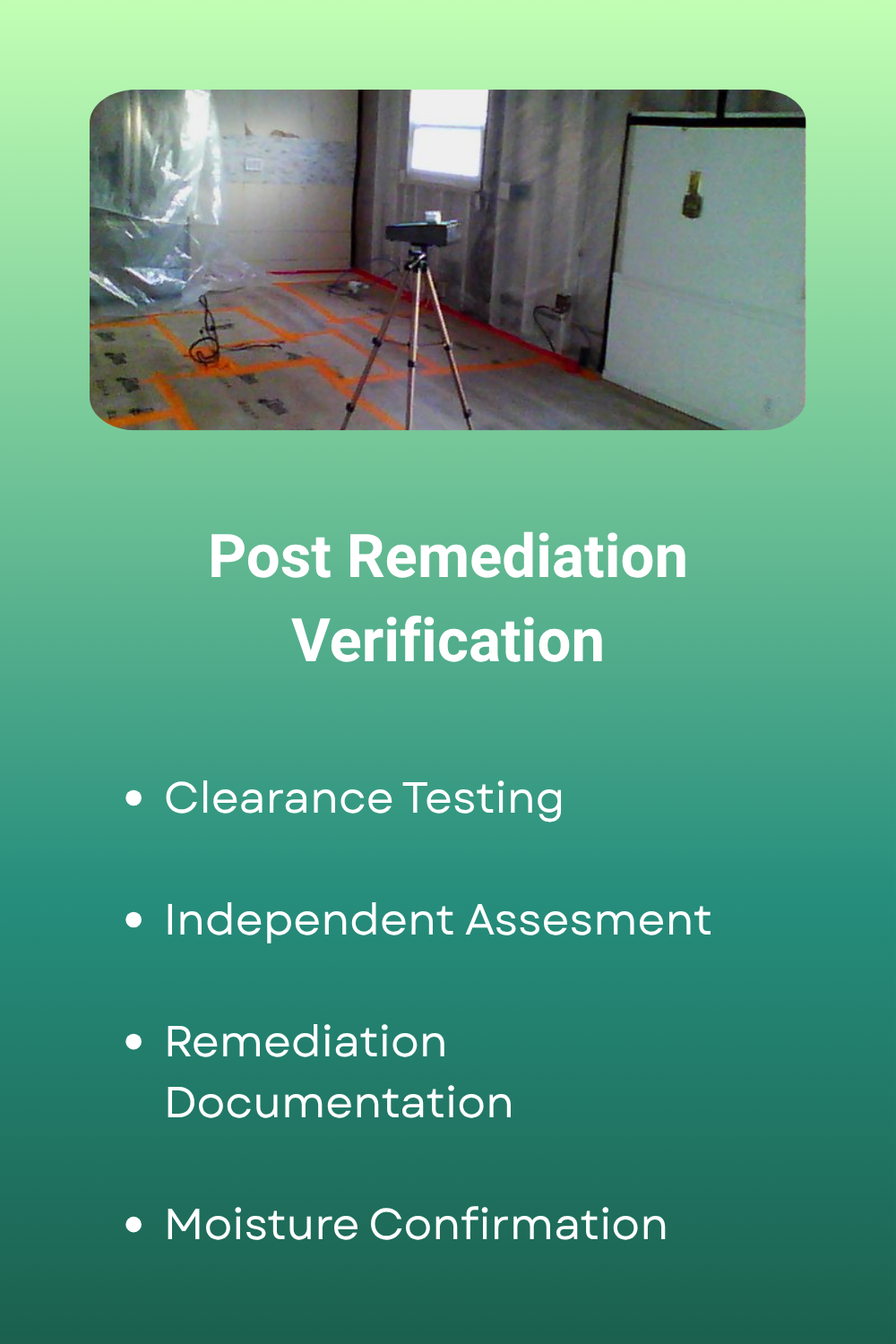
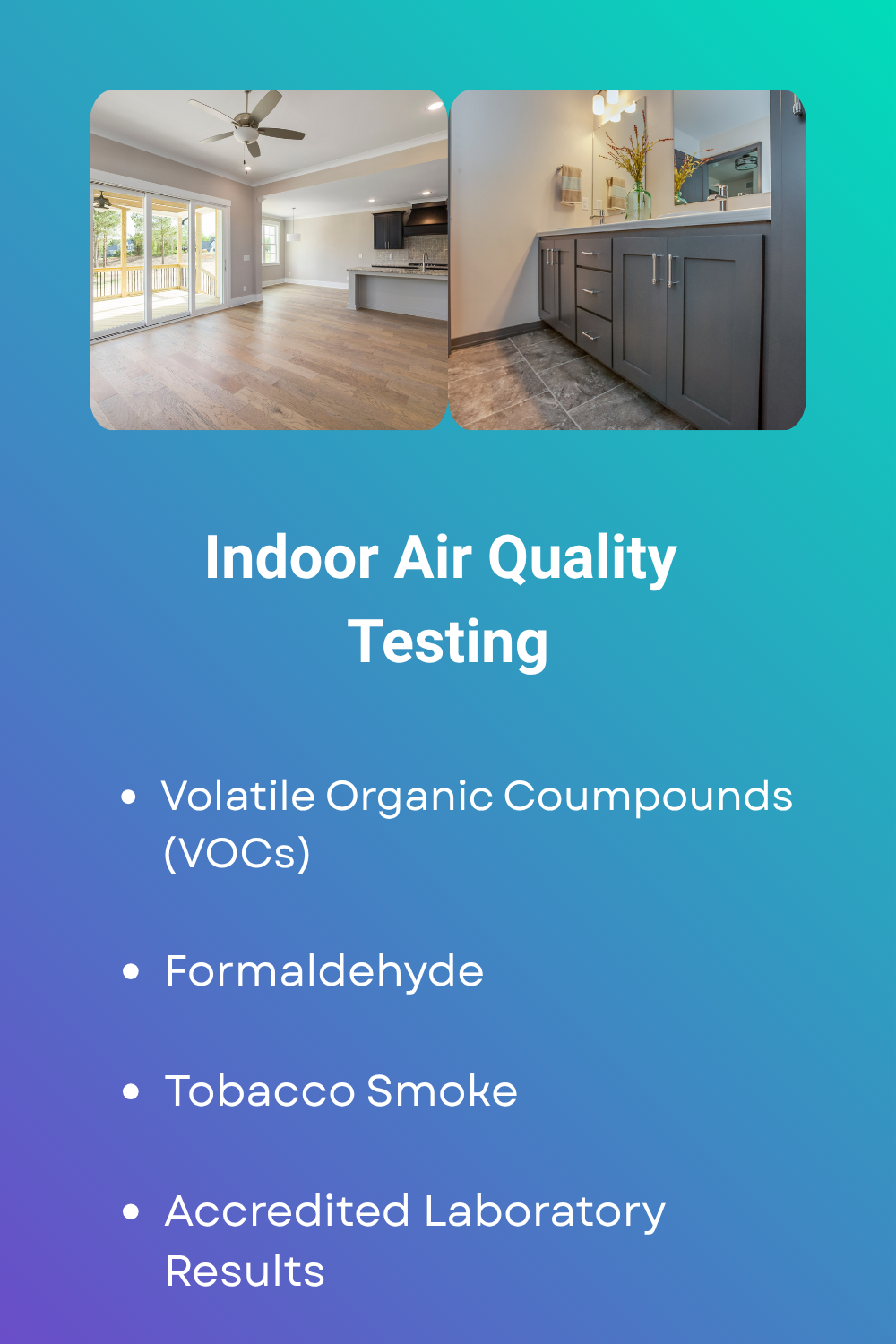
Water damage or suspected mold is a starting point for a water and mold damage inspection. Work that has already been completed may call for post remediation verification. New construction including flooring and cabinetry with strong chemical smells lead to Formaldehyde or VOC air testing.
-
It is an assessment of conditions after mold remediation. The scope may include a visual evaluation and appropriate testing to document conditions in the treated area.
-
We ask that you leave all windows and exterior doors closed at least 24 hours before any air testing. You can still come and go as needed from the property.
-
Formaldehyde testing focuses on the specific compound. VOC testing addresses a broader group of volatile organic compounds. The testing scope should match the concern you want to investigate.
What our clients say