Browse Questions By Category
Click a category below to jump to answers, or scroll down to view all FAQ’s
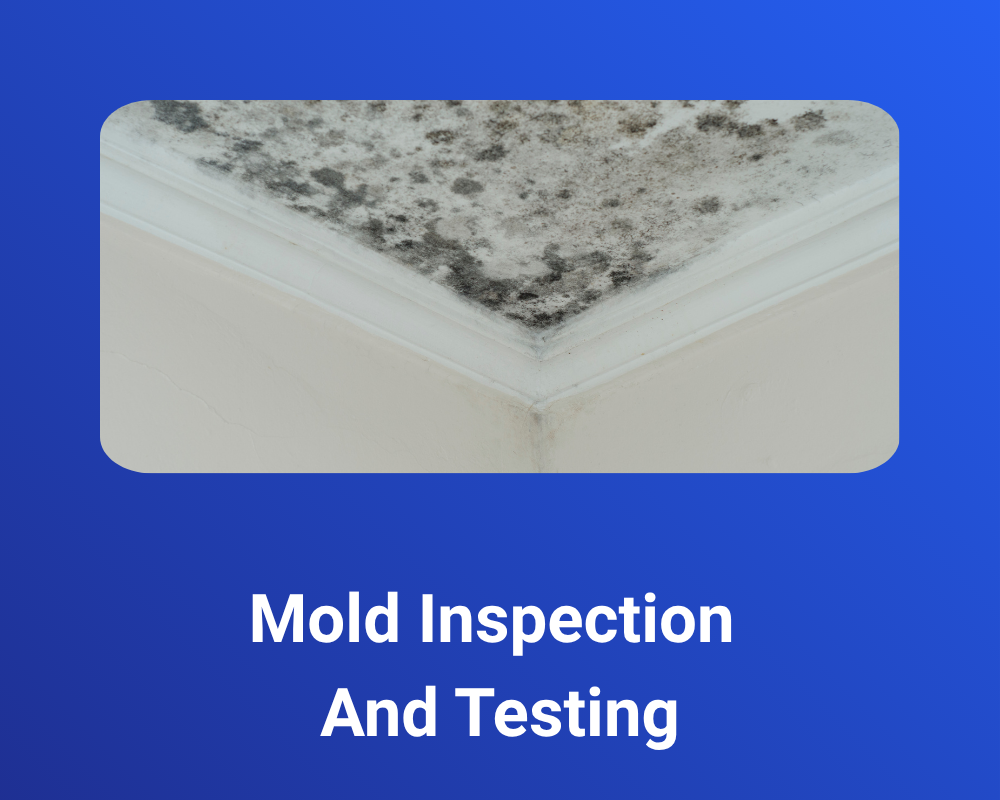


Mold Inspection And Testing
-
Consider one if you see suspected growth, notice a musty odor you can't explain, or have had a leak or flood. It also makes sense before buying or selling a property and after remediation work. If something just feels off, a conversation is a good place to start.
-
No, and that is intentional. We stay independent so our findings are never influenced by work we could sell you afterward. We’ll give you an unbiased assessment, and you can choose any licensed remediator you trust.
-
Most homes take about one to two hours, depending on size, layout, and how many samples are needed. The lab results are received the next business day, and the full report takes one to three business days from the inspection.
-
Mold spores are in every home, so the question is really about how much, where, and why. The inspection looks at what is present, what is feeding it, and what the next steps should be. We cannot diagnose health effects, so if you or other occupants have symptoms, please talk with your doctor as well.
-
For a small patch on a hard, non-porous surface, many homeowners handle it with basic cleaning. It's worth an inspection first to see if the area is larger, on drywall, on other porous materials, or keeps coming back. Cleaning the surface without fixing the moisture source usually means the mold returns.

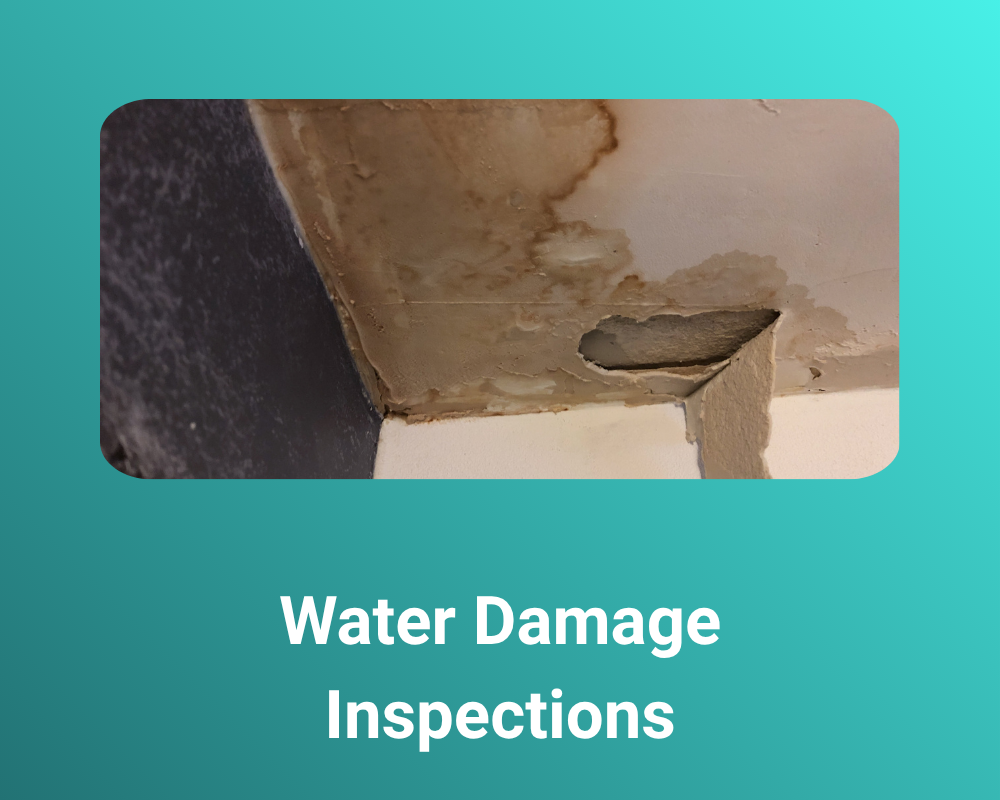
Water Damage
-
The first priority is drying the property quickly, ideally within the first day or two, so call a water mitigation company right away. Once the drying is done, we can check moisture levels and look for hidden damp areas to see whether anything was missed. Mold can grow within the first 48 hours of water damage if it is not properly mitigated.
-
A visual inspection of the affected areas, moisture readings of affected building materials, and thermal imaging to help find damp spots that aren't visible. You get a written report that shows what is wet, what is dry, and what to do next.
-
No. When materials are dried quickly and thoroughly, mold often never becomes a problem. The risk depends on how long things stayed wet, what materials were affected, and the type of water involved, which is why checking that everything dried properly is so useful.
-
Yes, and it often is. Water can travel into wall cavities, under flooring, above ceilings, and behind cabinets, so the surface can look fine while the materials behind it stay wet. Meters and thermal imaging help find it without tearing things apart.
-
When you have a leak or backup from beyond the P-trap of a toilet or other septic backups. Swab samples are taken of the affected areas to confirm the presence of E-coli and Total Coliform. Useful for clearance testing after the mitigation has been completed as well.

Post Remediation Verification
-
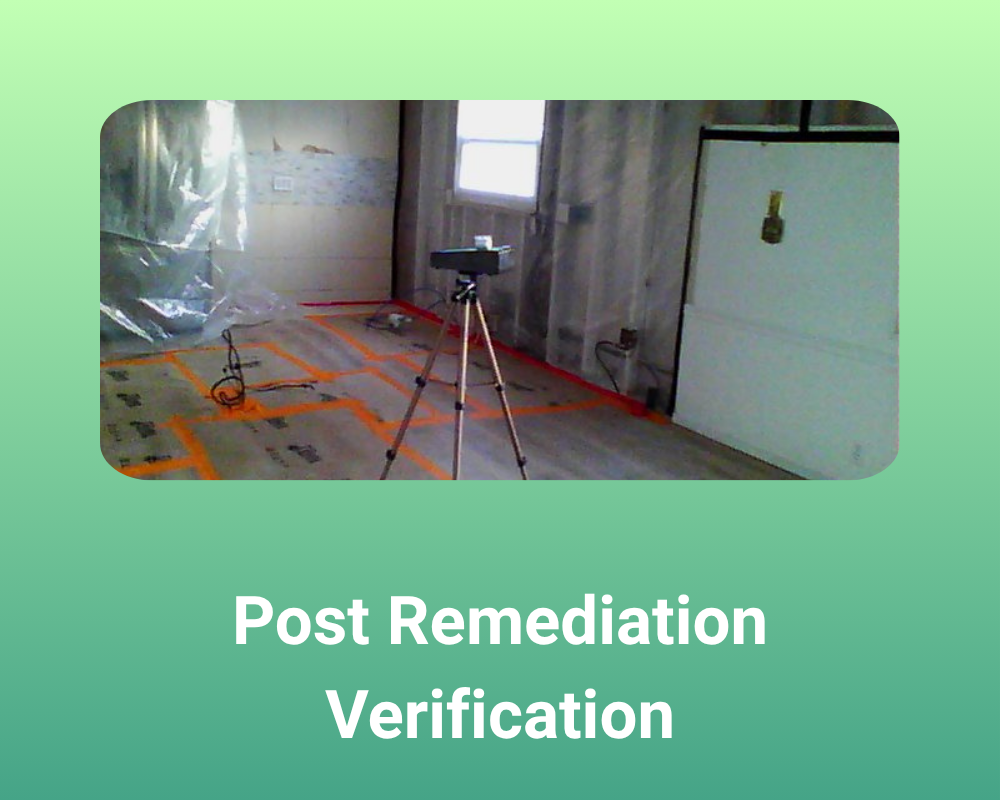
A PRV is an independent check that the remediation work was completed as planned. Typically it includes a visual inspection of the remediated area, moisture readings, and air or surface sampling compared against outdoor conditions or unaffected areas. The work is reviewed against the original scope of remediation if one exists. You receive a written report that states clearly what was found.
-
Someone who is independent from the company that did the remediation. That way the person verifying has no stake in the outcome and can give you an honest answer. Suni Environmental does not perform any remediation.
-
After the remediation and cleanup are finished, and ideally before the area is closed up or rebuilt. That way, if something needs another look, fixing it is simple. A PRV confirms the work was done properly, but it can't prevent mold from returning if the moisture problem isn't resolved.
-
Sometimes there are issues but that is why there is an inspection to catch problems before the reconstruction begins. If the mold samples are high it may just need more cleaning. If mold or elevated moisture is still found then typically more demolition is performed along with more cleaning.

Indoor Air Quality
-
VOCs, or volatile organic compounds, are gases released by everyday products such as paints, adhesives, new flooring, furniture, and cleaning supplies. VOC testing identifies which compounds are in your air and at what levels. It gives you real information about the air in your home, not a diagnosis.
-
Consider it after a renovation, new flooring or cabinetry, or a move into a newer built home. It also makes sense when you notice persistent odors or have air quality concerns you can't explain or already had mold testing that did not detect elevations.
-
Formaldehyde is one specific Volatile Organic Compound (VOC), and it is measured with its own dedicated method. VOC testing looks at a broad range of compounds at once. Many clients choose both so they get the full picture, but we will recommend only what fits your situation.
-
Formaldehyde is a colorless gas that can be released by pressed-wood products like cabinets, plywood, particleboard, and some laminate flooring. It is especially common in newer construction and after renovations. Testing tells you whether it is present in your indoor air and how the level compares to published guidelines.
-
Not automatically, since mold sampling is a separate test. If mold is a concern too, we can combine them in the same visit, so you get a complete picture of your indoor environment.

Lead Testing
-
Homes built before 1978, the year lead was banned in household paint, are the most likely. The older the property, the more likely it is. Lead was often used on windows, doors, trim, and exteriors, but it can be anywhere. A newer home is much less likely to have it.
-
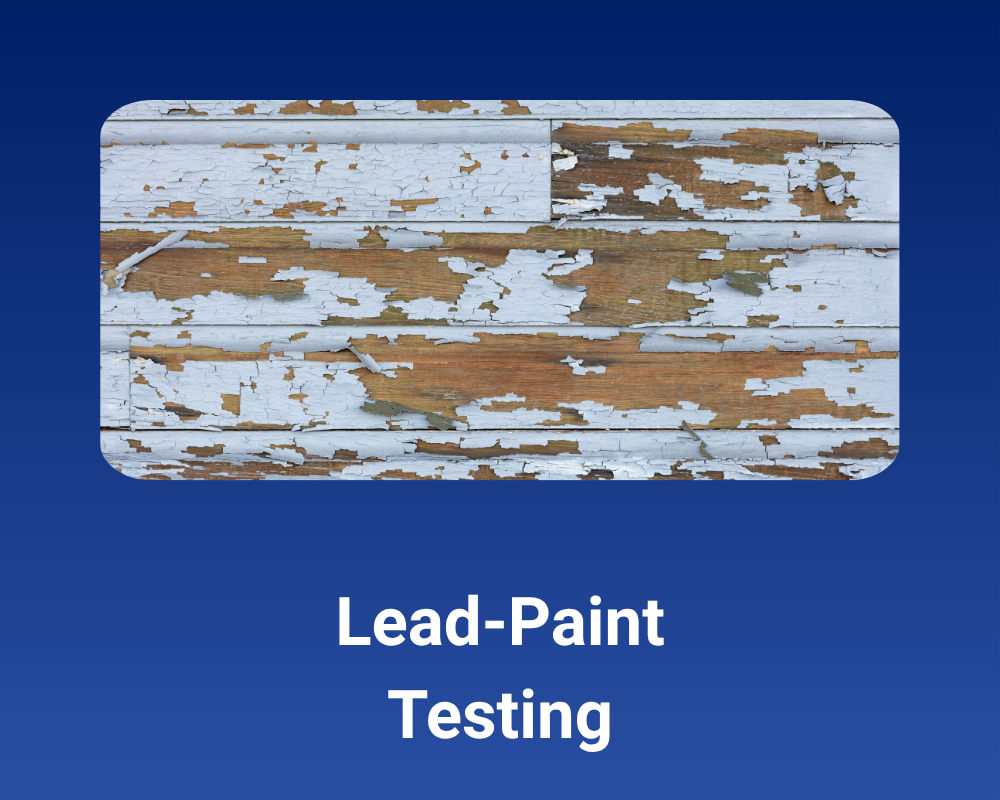
Test before renovations, repairs, or sanding that could disturb old paint, and when buying or renting an older property. Peeling, chipping, or deteriorating paint on an older home is another good reason.
-
We collect small paint samples that are sent to an accredited laboratory for analysis.
-
No. We test and report, and we stay independent from the removal side. Paint in good condition is often managed safely in place, and when work will disturb it, certified lead-safe professionals should handle it.
-
Swab kits can be a quick screening tool, but they have limitations and can miss lead or give unclear results. Sometimes older layers of paint underneath are missed. If you're making decisions about a renovation or a purchase, professional testing gives you more reliable answers.

Soot Testing
-
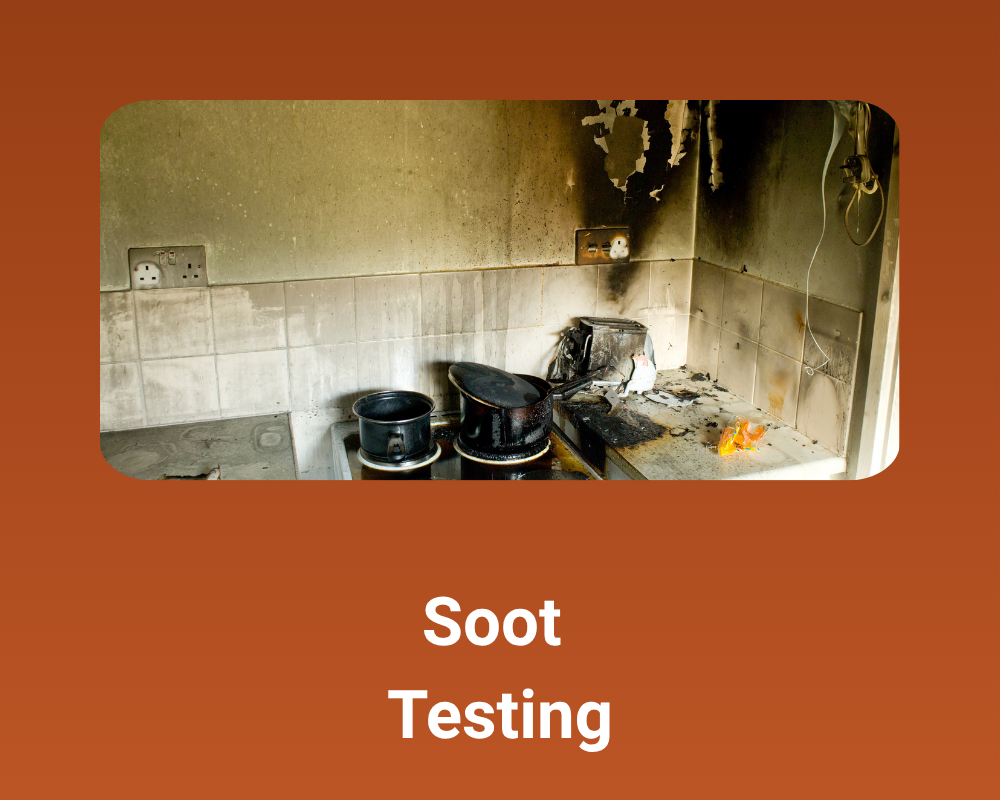
After a fire, whether large or small, when you want to know how far the smoke residue actually traveled. It is also helpful when cleaning has been done and you want to confirm the results, or when you're dealing with an insurance claim and need documentation.
-
Yes. Smoke is made of very fine particles that travel through HVAC systems, wall cavities, attics, and open doorways, then settle on surfaces away from where the fire burned. That is why a room that looks untouched can still have residue. Testing shows where it went instead of leaving you to guess.
-
The most common are tape lifts and surface wipes from walls, ceilings, and other surfaces. Samples are analyzed under a microscope at a laboratory to identify combustion particles such as soot and char.
-
Porous materials usually take the most, including drywall, insulation, carpet, upholstery, and ceiling tiles. Smoke also settles on harder surfaces like glass, metal, and tile, which are often easier to clean. Ductwork and the rest of the HVAC system should always be professionally cleaned after a fire inside of a property.
-
Light residue on hard surfaces can sometimes be handled, but wiping soot often smears it into porous materials and spreads it around. If the damage is more than minor, or smoke reached other rooms, it is smart to test before cleaning, so you know what you're dealing with.

General Questions
-
Yes. Peter Burnett is a Florida licensed mold assessor (MRSA 2596) with 12 years of experience, and Suni Environmental has the proper business insurance coverages.
-
It depends on the services you need and how many samples are involved. You will get a quote over the phone for the testing services you are requesting.
-
Often within a couple days and sooner when the situation is urgent. Call or use the Plan Your Inspection button and we’ll find a time that works for you.
-
A written report with the findings, photos, laboratory results, and next steps. There is a free 30-minute phone consultation after the report is issued when requested.
-
Yes. Many clients combine services, such as mold with air quality, or lead paint with an older-home inspection. That can save you time, and we only recommend what actually fits your situation.